
As autumn approaches and the scent of mooncakes drifts through the neighborhood, many families begin planning their long weekend gatherings. But if your payday falls right around Labor Day, a quiet worry often settles in: will my direct deposit be delayed because of the holiday? You are not alone in this concern. Understanding how federal bank holidays interact with your payroll schedule is like knowing precisely when to turn on the rice cooker—timing is everything.
In many Asian households, financial harmony is central to family well-being, and even a one-day delay can disrupt carefully balanced budgets for tuition, elder care, or that special holiday meal. The good news is that while the banking system pauses to honor the workforce, the rules are actually quite predictable. By learning the rhythm of the Automated Clearing House (ACH) network, you can forecast exactly when your funds will appear, keeping your mind at ease so you can fully enjoy the festivities.
Does Labor Day actually affect direct deposit processing?
Yes, Labor Day directly impacts direct deposit timing because it is a federal holiday recognized by the Federal Reserve. Banks and credit unions close their doors, and the ACH network—the electronic highway that moves your paycheck from your employer’s bank to yours—does not process transactions on that day. If your scheduled payday lands on Labor Day Monday, the entire chain pauses, much like a kitchen taking a rest day before a big feast.
However, it is crucial to remember that the delay is not a sign of error or a problem with your employer. It is simply the banking calendar at work. The ACH system requires one to two business days to settle, and weekends and holidays are not business days. So if Labor Day is Monday, the earliest the network can begin processing is Tuesday, meaning your deposit will likely arrive on Tuesday or even Wednesday, depending on your financial institution’s policies.
When will I receive my direct deposit if payday is on Labor Day?
If your official payday is Monday, Labor Day, most employees will see their direct deposit posted to their account on the very next business day, which is Tuesday. However, this is not a universal guarantee. Some banks and credit unions are proactive and may post the funds as early as the Friday before the holiday, especially if they have a practice of releasing payroll as soon as they receive the ACH file from the employer.
For those whose payroll is submitted very early by their company, you might even see the deposit on Saturday morning. But the safest expectation is to plan for Tuesday. If your bank typically holds funds for an extra day, you could be looking at Wednesday. Asian families who budget with meticulous care often treat Tuesday as the confirmed arrival day and plan their Mid-Autumn Festival shopping trips accordingly, avoiding any awkwardness at the register.
What if my employer submits payroll early due to the holiday?
When a human resources department is well-organized, they often process payroll earlier than usual to account for the bank holiday. If your company submits wages on the Thursday or Friday before Labor Day weekend, the funds may travel through the ACH network and arrive in your account on Friday or Saturday, well before the holiday. This is a common courtesy that many employers extend, especially those who understand the importance of family gatherings and the need for ready cash.
You can often confirm this by checking your pay stub portal or asking your payroll administrator. The key is submission timing; even if the employer sends it early, your bank’s policy on early posting still applies. Some digital-first banks, like Chime or Varo, advertise “early direct deposit” and may release the funds up to two days earlier than the scheduled payday. That means a Tuesday payday could become a Friday arrival, which feels as delightful as finding an extra red envelope after the Lunar New Year.
How do weekends combined with Labor Day affect the deposit timeline?
The calendar can create a perfect storm when your payday falls on a Saturday or Sunday immediately before Labor Day Monday. In such cases, since Saturday and Sunday are already non-business days, the holiday effectively extends the banking closure. If payday is Sunday, the processing would normally begin Monday, but with Labor Day, it shifts to Tuesday, and you will likely see the deposit on Wednesday.
Let’s paint a clear picture: if your payday is Saturday, September 1st, and Monday is the holiday, the ACH network is idle from Friday night through Monday. Banks will not touch the file until Tuesday, and funds may post on Tuesday or Wednesday. This triple-layered delay can feel frustrating, but it mirrors the same principle as a family banquet: when the main kitchen is closed, even the best cooks must wait for the ingredients to be released. Planning ahead by saving a small buffer from the previous check can smooth over this once-a-year gap.
Do government benefits like Social Security or SSI get delayed by Labor Day?
Government benefits follow a strict calendar, and the Social Security Administration announces its payment schedule well in advance. Generally, if your Social Security or Supplemental Security Income (SSI) payment date falls on a federal holiday, the payment is issued on the preceding business day. This means you would receive your benefits on the Friday before Labor Day, not after. This is a relief for many elders in Asian communities who rely on prompt deposits for their daily needs.
For SSI recipients, the rule is particularly firm: when the first of the month is a holiday, benefits are paid on the last business day of the previous month. So if September 1st is Labor Day, SSI will arrive on August 31st. Veterans benefits and other federal pensions operate similarly, often arriving early rather than late. To avoid confusion, always check the official SSA payment calendar for the year, which is as reliable as a lunar calendar for marking important family dates.
Will my international remittance or wire transfer be delayed by Labor Day?
Yes, any wire transfer that originates or passes through a U.S. bank on Labor Day will be delayed. If you are sending money to family overseas—a common practice in many Asian households—and you initiate the transfer on the Friday before, it may not be processed until Tuesday. Even if you use a digital service like Wise or Remitly, the underlying bank transfer still relies on U.S. banking hours for the dollar leg of the transaction.
To avoid a delay that could cause worry for relatives waiting for funds, schedule your remittance at least two business days before the holiday. If you need the money to arrive before the weekend, sending it by Wednesday or Thursday morning is the safest route. The exchange rate may also fluctuate during the long weekend, so locking in the rate early can protect your household budget, much like buying ingredients in bulk before a festival to avoid price hikes.
Does my bank’s early direct deposit feature override the Labor Day delay?
Banks that advertise “get paid up to two days early” achieve this by releasing the funds the moment they receive the ACH file from the employer, rather than holding it until the official settlement date. If your employer submits payroll early enough, these digital banks may post your deposit on the Friday before Labor Day, even if the actual payday is Monday. This can feel like a small miracle, but it is simply a customer-friendly policy, not a bypass of the Federal Reserve system.
However, the early deposit is not guaranteed. If the employer does not send the file early, there is nothing for the bank to release. The bank can only be as fast as the incoming data. Therefore, don’t rely solely on this feature; treat it as a pleasant bonus rather than a certainty. For families who manage joint accounts and remittances, having that early deposit can mean paying the rent on time or purchasing the final decorations for the family altar without stress.
What should I do if my direct deposit does not arrive on the expected day after Labor Day?
First, do not panic. Wait until 9 a.m. local time on the expected business day, as many banks post deposits in batches overnight. If the funds are still missing, log into your employer’s payroll portal to verify the pay date and the deposit details. Sometimes a simple typo in the account number can cause a rejection, and the employer will need to reissue the payment, which adds another day or two.
If everything on your pay stub appears correct, call your bank’s customer service line. They can trace whether an ACH file was received but held, or if it was never sent. In rare cases, a processing error at the payroll provider’s end can occur. Many Asian households maintain a small emergency fund for such situations, a practice rooted in the philosophy of saving for a rainy day. If the delay causes a hardship, a polite conversation with your landlord or billers can often secure a grace period, especially when you explain the holiday banking closure.
How can I plan ahead to avoid holiday-related direct deposit stress?
Forethought is the most effective remedy. As soon as you receive your annual calendar, mark all federal holidays and cross-reference them with your pay schedule. If a payday lands exactly on Labor Day or the weekend preceding it, adjust your automatic bill payments to a date after the new expected deposit day. This small act of calendar management can prevent overdraft fees and late payment notices.
Building a cushion of even one day’s worth of expenses in your checking account can eliminate the entire problem. In many Asian cultures, maintaining a financial buffer is as natural as keeping a full pantry. If that is not possible, communicate with your employer about the possibility of early processing. A simple email to HR, written with respect and clarity, can sometimes prompt them to run payroll a day earlier. The peace of mind this brings is worth the few minutes of effort.
Are there any banking services that process direct deposits on holidays?
No bank can process ACH transactions on the actual holiday because the Federal Reserve’s settlement system is closed. Even the most modern neobanks and fintech apps must wait for the banking backbone to reopen. However, some institutions offer provisional credit as a courtesy. For example, a credit union might advance the funds to good-standing members based on the incoming ACH file, but this is a loan, not true processing.
This provisional credit is not common and should never be relied upon. It is essentially a short-term overdraft that the bank may reverse if the file does not settle properly. The safest approach is to accept the rhythm of the banking week: holidays are rest days for the system, and your money will arrive as soon as the gears begin turning again. For families who value harmony, simply knowing this rhythm transforms anxiety into patience.
Tips for a Smooth Direct Deposit Experience Around Labor Day
1. Synchronize your bill calendar with the holiday schedule
Move any automatic payments scheduled for the day before, the day of, or the day after Labor Day to at least two business days after the holiday. This prevents payments from being attempted before your deposit clears, saving you from overdraft fees and the hassle of reconciliation.
2. Confirm your employer’s payroll submission date
A polite inquiry to your payroll department a week before the holiday can reveal whether they plan to process early. Knowing this gives you a clear timeline. If they process on Thursday, you will likely see the money by Friday; if they wait until Friday, it may not arrive until Tuesday.
3. Keep a visible financial calendar at home
In the spirit of a family command center, post a simple wall calendar that highlights both paydays and federal holidays. Use a red marker for holidays and a green one for paydays. This visual tool helps everyone in the household—from grandparents to teens—understand when money moves and when to expect it.
4. Link your checking account to a small savings overdraft line
Many banks offer a free service that pulls from savings if your checking account runs low. Setting this up can act as a safety net for any lingering holiday delays. The transfer is seamless and often free, preventing declined transactions during the crucial weekend.
5. Build a one-day buffer fund
Even saving just $50 to $100 dedicated to covering timing gaps can eliminate stress permanently. Treat this fund like a sealed lucky envelope—only to be opened when a holiday delay threatens a bill. Over time, grow this buffer to cover a full day’s expenses, and you will never again fear the holiday calendar.
Conclusion
Labor Day is a celebration of hard work, and a temporary pause in direct deposit simply reflects the shared rest of the nation’s banking system. By understanding the ACH timetable, communicating with your employer, and preparing a small buffer, you can transform this annual pause from a worry into a moment of calm. The values of foresight and family financial harmony run deep, and with these insights, your account will be ready for every occasion—from a quiet weekend dim sum to the joyful Mid-Autumn lanterns. May your funds arrive promptly, and your holiday be filled with abundance.
Will My Direct Deposit Be Delayed Because Of Labor Day

Wallpapers My Melody

Wallpapers My Melody

My Little Pony large resolution 2048×2048 PNG picture — Transparent

Previously On My Little Pony

my wife i despised is my first wife-MoboReels

My Melody Boyama

My Melody Printable Pictures

fell for my mother of my children-MoboReels

My Eternal Love: A Poetic Tribute | TikTok

My Melody Real Color
![My Melody Coloring Pages [2025]](https://mondaymandala.com/wp-content/uploads/My-Melody-Hugging-Uta-Yumeno.jpg)
My Melody Coloring Pages [2025]

Marry My Husband Ending Explained: Does Ji-won Find Happiness?

My Melody Photos Icon

My Melody Colouring Sheets

My Melody Nose Color

Marry My Husband

My Heart My Life My All – GLS Shopping

My Melody – TakeCare

39 Mewarnai My Melody Gratis: Ledakan Kelucuan

Through My Eyes – MCAF

11 My Melody Quotes for Kids – LittleYellowStar

69 My Melody Coloring Pages (Printables 100% Free)
![My Melody Png Icon [2026]](https://img.icons8.com/carbon_copy/1200/my-melody.jpg)
My Melody Png Icon [2026]

My Little Pony PNG Transparent Images

You Have My Whole Heart For My Whole Life

My husband – Artofit

My Melody Coloring Pages Birthday
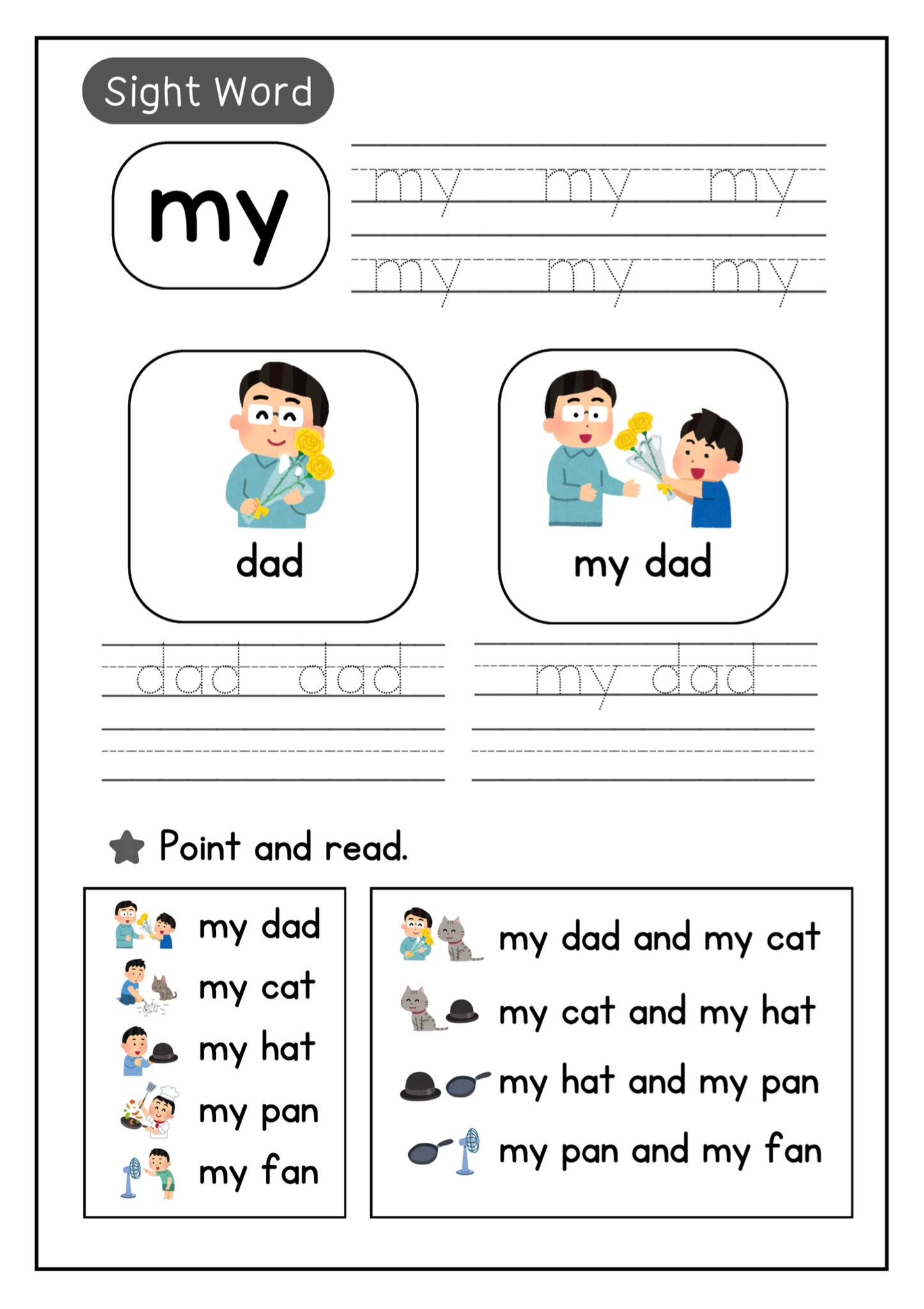
Worksheet by Kru Pui added a new photo. – Worksheet by Kru Pui

👨👩👧👦 “Me and My Family” or “My Family and I”? A Complete Grammar

My Life My Rules Images

My melody – Artofit

My Eyes My

My Life My Rules Images